Mounting systems for photovoltaic panels play a crucial role in building a resilient and flexible energy system.
The document published by SolarPower Europe in early July presents an up-to-date picture of the European PV mounting systems sector and includes concrete recommendations to support the development of this strategic industry.
Over 40 Companies and a Strong Manufacturing Base in Europe
According to the report, more than 40 active companies in Europe are engaged in producing mounting structures for PV installations. These include a wide range of solutions – from rooftop and ground-mounted systems to façade structures and more advanced applications such as Agri-PV and solar carports.
European manufacturers cover a significant portion of local demand, but they still face pressure from low-cost imports from outside the continent. This highlights the growing importance of regulations that support domestic industry.
Trackers vs. Fixed-Tilt – How Mounting Design Impacts Grid Flexibility
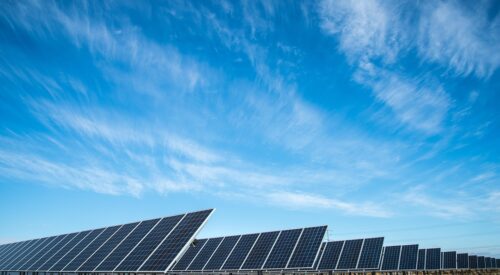
Mounting systems are generally divided into two main types: fixed-tilt systems and trackers, which allow panels to follow the sun’s movement. For large-scale ground-mounted installations in Europe, around half already use tracking technology.
Trackers improve installation efficiency and shift the PV production peak to later hours of the day. In practice, this results in reduced stress on the grid during peak demand and a higher market value of the energy produced – up to 30% more (€ per MWh) compared to fixed-tilt systems.
Lack of Standards and Legal Gaps? Time for Change
The authors of the report point out that despite the strategic importance of mounting systems, European law and industrial policy are not keeping pace with the sector’s needs. A key example is the EU’s Net-Zero Industry Act (NZIA), which currently focuses almost exclusively on trackers, largely overlooking fixed-tilt systems. This narrow definition may discourage investors and manufacturers working with other technologies.
The report outlines three key recommendations:
-
Expand the definition of mounting systems within the NZIA.
-
Introduce dedicated customs codes for these products.
-
Develop unified European quality standards – covering aspects such as material durability, product lifespan, warranties, and transparency of technical data.